

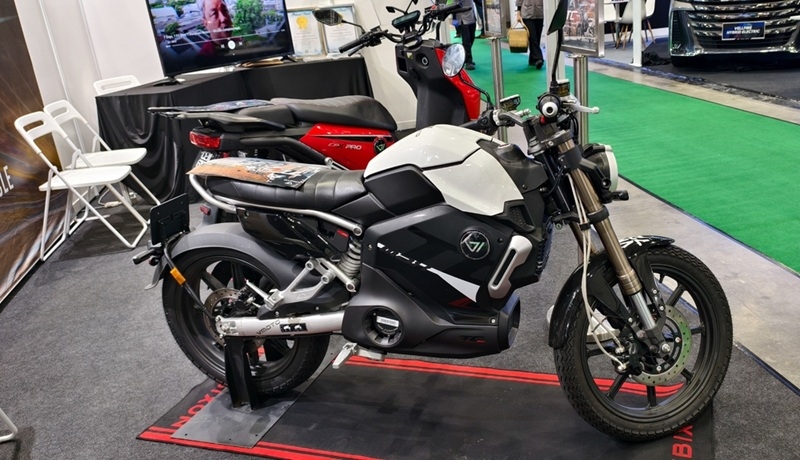
Motorcycles are quietly changing. It’s not a roar—more like a subtle shift, but if you look around, you’ll spot more electric models on American roads these days, rolling right along with the old-school gas bikes. And of course, riders are asking: Which one actually makes more sense right now?
Honestly, it’s not simple. It’s not as easy as “electric is always better” or “gas still rules.” What matters is how you ride, what you care about, and how open you are to something new. This guide lays out the differences between electric and gas motorcycles to help you figure out what really fits your life in 2026.
This debate isn’t just for message boards anymore. Riders are making real decisions about electric and gas bikes—in their garages, on their daily commutes, and every time they put cash down on a new ride.
Both camps have come a long way. Gas bikes are still solid and familiar, but electric motorcycle makers are rolling out some bold new tech.
Let’s size up the basics:
Pretty even so far, right? But once you dig deeper into performance, costs, and what it’s actually like to live with each one, the differences start to stand out.
Suggested Reading: Best Beginner Motorcycles Ultimate Guide for New Riders
What really matters to riders? How it feels to be in the saddle. Specs are great, but the ride itself? That’s what sticks with you.
Electric bikes give you all their power the moment you twist the throttle—no gears, no engine winding up, just smooth, immediate punch. Some love the quiet, direct feel; others miss the gritty sound and feel of an engine. That’s just up to your taste.
Gas motorcycles bring noise, vibration, and the whole gritty package. Shifting through gears and feeling the motor is a big part of the experience for lots of riders. It’s personal, almost nostalgic, and for some, impossible to replace.
Here’s where it gets interesting: Electric bikes tend to be faster off the line, but gas bikes do better holding speed on the highway. Ultimately, it comes down to how and where you want to ride.
Range anxiety—this is the big question folks ask about electric motorcycles, and honestly, it matters.
Most 2026 electric bikes in the US cover about 100 to 200 miles per charge, depending on your riding style and the battery size. Cruising around town gets you farther, but highway speeds will eat up juice faster. Charging with a fast charger will get you rolling again in under an hour, but at home, it takes longer.
On a full tank, gas motorcycles cover 200 to 300 miles easily. Top up the tank in a few minutes, and you’re off. That’s tough to beat on cross-country rides.
So the tradeoff is clear:
Don't Miss: Flying Flea Motorcycle Review Retro Power Meets Future
Let’s talk money—because, in the end, it always comes down to what you actually spend. Electric bikes typically cost more upfront because of the batteries, with high-end models trending pricier than comparable gas bikes. Gas motorcycles, though, offer a wide range of price points.
Electric bikes save you money on maintenance:
These add up over the years.
With gas bikes, you know the drill:
It’s all familiar, predictable. For short-term ownership, gas often wins out; stick with your bike for years, and electric usually pays off.
On the “green” front, electric motorcycles have the edge. No tailpipe, no emissions—especially helpful in cities. People love that.
But batteries matter too. Building them takes energy, and all electricity isn’t created clean—yet. With more renewables coming online, electric bikes keep getting greener. Gas bikes? Still running on fossils.
Convenience matters, sometimes more than you’d expect. Charging is straightforward. Plug in at home overnight, and you’re set for the next day. Public charging? Growing fast in cities, though not everywhere just yet.
Refueling? Gas stations are everywhere. Takes a few minutes, no waiting around. Hard to beat, especially out in the sticks or on a long trip.
Now, the future—always a big question. Electric motorcycles are evolving fast: longer ranges, faster charging, better prices, and more models from big brands and scrappy startups alike. Something’s definitely shifting.
But don’t count gas out yet. They still own most of the market, and that classic connection won’t disappear quickly. We’re going to see both around for a long time—electric bikes for city living and quick hops, gas for the open road.
Also Read: Choose Your Ride with the Ultimate Adventure Bike Comparison
The whole electric vs gas motorcycle thing isn’t a battle for one winner. It’s about which works for you. Electrics are popping up more, especially where short trips and cheap running costs matter. Gas bikes still give you range, reliability, and that thrill nobody has quite matched yet.
Technology’s catching up, and the lines will blur even more. For now, listen to your needs, not just the hype, and pick what fits your ride.
Yes, most modern electric motorcycles are built to handle rain, heat, and cold. However, extreme temperatures can affect battery efficiency, especially in very cold climates. Riders may notice reduced range during the winter months, so planning becomes important.
Electric motorcycle batteries typically last between 8 and 15 years, depending on usage and charging habits. Over time, battery capacity may decrease slightly, but many manufacturers offer warranties that cover several years of use.
Insurance for electric motorcycles is similar to that for gas bikes, but premiums can vary. Some insurers consider battery replacement costs and repair expenses, which may affect pricing. It’s always a good idea to compare policies before buying.
Customization options exist, but they are more limited compared to gas motorcycles. Riders can still upgrade tires, suspension, and aesthetics, but modifying core electrical components requires specialized knowledge and is less common.
This content was created by AI